Facade assessment
Where the Facade Tells on Time
Weather leaves a record in stone, brick, mortar and paint. Read from a wider vantage, those marks begin to form a pattern—helping restoration professionals distinguish a solitary visible change from an area that deserves closer attention.
Plan a survey view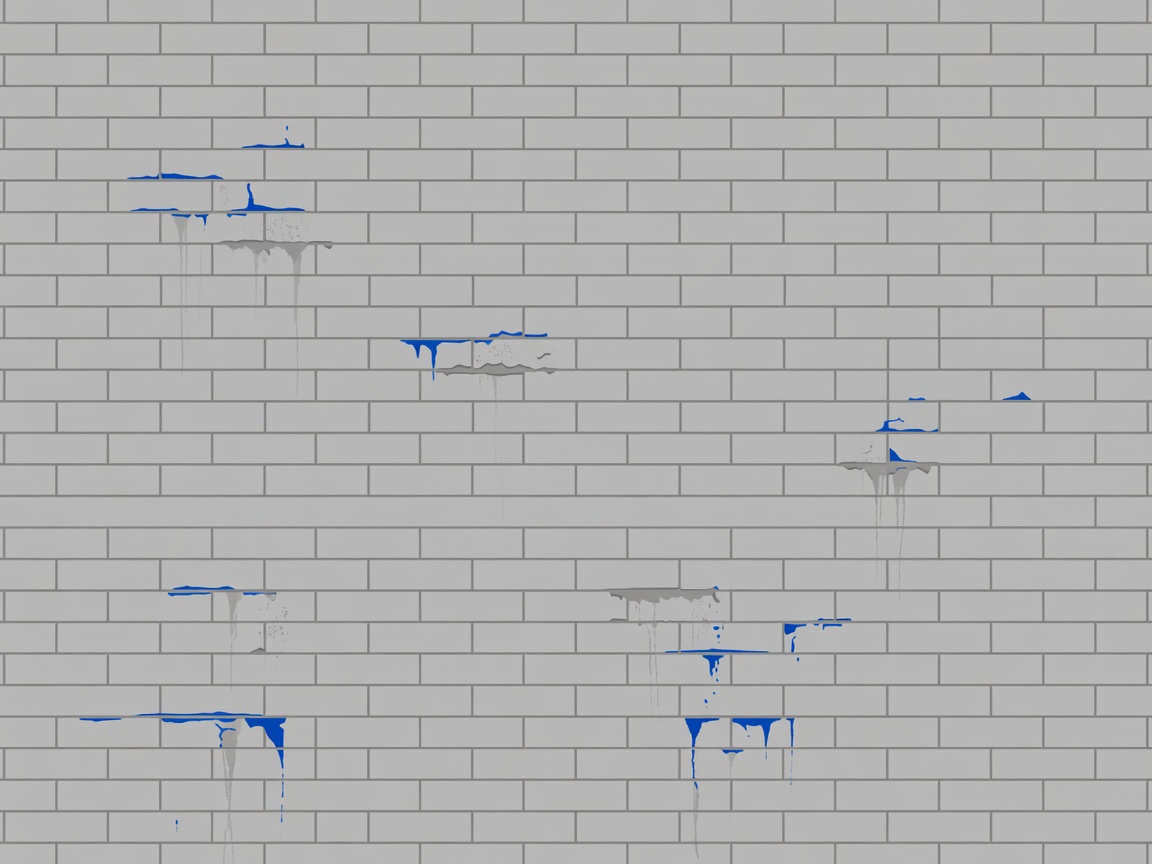
Patterns before assumptions
Read what is visible, then ask what it means
High-resolution imagery and a mapped facade can make visible conditions easier to locate, compare and discuss. Discolouration, open joints, staining, surface loss or biological growth may prompt further investigation. Their appearance alone does not confirm cause, severity or what remedy is appropriate.
- Locate and describe visible changes across the elevation.
- Compare related areas rather than treating every mark in isolation.
- Connect observations to position, orientation and building features.
- Identify where a qualified specialist should investigate further.
Concise assessment checklist
Keep the reading disciplined
Record the location and visible character of each observation.
Note whether the same pattern appears elsewhere.
Separate observed evidence from suspected causes.
Assign follow-up to the relevant building professional.
Keep imagery linked to the elevation and feature.
Flag limitations in access, visibility or image detail.
The next useful step
Make observations easier to act on
A clear visual record supports conversations between owners, surveyors, conservation specialists and contractors. Combined with site knowledge and appropriate hands-on assessment, it can help the team decide where to investigate and how to shape the repair brief.
Read the building in context
Start with the areas that have raised a question.
Bring your observations, project priorities and next decisions into focus.